Pro Charleston Locksmith Service Team
Local locksmith team
May 28, 2026 11 min read
Moving into a new home or apartment in the Charleston area — whether you're settling into a historic row house on Rutledge Avenue, a new build in Summerville, or a rental near the College of Charleston — is one of the most exciting transitions you'll make. But here's a security reality that most movers don't think about until it's too late: you have no idea how many copies of your new keys are floating around out there. The previous owner, their real estate agent, a contractor, a dog walker, a neighbor with a spare — any one of them could walk through your front door tonight.
Rekeying or replacing your locks is the single most effective first step you can take to make your new home truly yours. It's not paranoia — it's the same practical thinking that leads you to change your passwords when you inherit an old laptop. This guide walks you through exactly what rekeying means, how it differs from a full lock replacement, what factors affect the final price, and why a mortise lock upgrade might be the smartest move you make in your first week on the property.
## Why Rekeying Should Be Your First Call After Getting the Keys
Rekeying is the process of changing the internal pin configuration inside your existing lock cylinder so that all previous keys become useless and a fresh key — cut only for you — is the only one that works. A trained locksmith removes the lock cylinder, rearranges the driver pins and key pins to match a new bitting pattern, and reinstalls it. The hardware stays exactly the same. The result is a lock that is, functionally, brand new to anyone who held a key before you moved in. For most standard door knob lock and deadbolt setups, rekeying is faster than a replacement and just as effective at cutting off access from unknown keyholders.
Replacing locks entirely makes sense in different situations: when the existing hardware is worn, damaged, or a low-quality model that doesn't meet your security standards; when you want to upgrade to a mortise lock for higher-security entry points; or when you're installing a smart lock system that requires new hardware altogether. A mortise lock, for context, is a heavy-duty lock body that fits into a pocket (mortise) cut into the door itself rather than sitting on the surface, making it significantly more resistant to forced entry — a worthwhile consideration if your new home has an exposed front door facing a busy Charleston street. Our team handles mortise lock installation and rekeying regularly across the Charleston metro, and we can assess on-site which option fits your door and your security goals.
## Rekey vs. Replace: A Practical Decision Guide for New Residents
Think of it this way: rekeying is the right call when the hardware is solid and you simply need to invalidate old keys. Replacing is the right call when the hardware itself is the problem. Here's a quick way to think through your specific situation. If your new home has builder-grade door knob locks on every entry point and a hollow-core door on the back, rekeying those locks is a start — but you're still working with hardware that a determined person could compromise. That's the moment to have a conversation with a skilled locksmith about upgrading to a mortise lock or a higher-grade deadbolt on at least the primary entry points. If the home has older but solid Schlage or Kwikset deadbolts in good condition, rekeying alone often gives you excellent peace of mind at a lower cost and in less time.
Renters face a slightly different situation. Your landlord is legally required in South Carolina to provide working locks, but they are not automatically required to rekey between tenants. Before you sign, ask whether the locks have been rekeyed since the last occupant left. If they haven't — or if you can't get a straight answer — it's worth having the conversation with your landlord about authorizing a rekey, or handling it yourself if your lease permits modifications. Either way, our team can coordinate directly with property managers, and we carry documentation of any work performed so there's a clear record for all parties.
## What Factors Determine Your Rekeying or Lock Replacement Quote
We don't publish a flat rate for rekeying or lock replacement because the honest answer is that the final price depends on several specific variables — and we think you deserve a real number for your real situation, not a teaser figure that changes when a technician arrives. The factors our team evaluates before confirming your quote include: the number of locks being rekeyed or replaced, the type of lock (a standard door knob lock is different from a mortise lock in complexity and parts), the brand and grade of hardware involved, whether you're supplying the replacement hardware or would like us to source it, the time of day your service takes place (emergency locksmith calls outside standard business hours involve different logistics), and travel distance to your address within the Charleston area.
What we commit to is this: before any work begins, we confirm an exact price with you. No surprises on the invoice. If you're calling us as part of a planned move-in, scheduling in advance gives you the clearest picture. If you need us urgently — say, you've just realized your new apartment keys were duplicated before you received them — we're available around the clock and will give you a confirmed quote over the phone before we dispatch. Call (704) 850-6756 any time and we'll walk through your situation and give you a straightforward price upfront.
## Mortise Lock Upgrades and the Full Range of Residential Locksmith Services We Offer
Beyond rekeying and standard lock replacement, our residential locksmith services cover the full spectrum of what new Charleston-area homeowners typically need in those first weeks. Here is a detailed look at the specific services we provide: mortise lock installation, mortise lock rekeying, mortise lock repair, deadbolt installation, deadbolt rekeying, door knob lock installation, door knob lock rekeying, door knob lock repair, smart lock installation and programming, keypad lock installation, high-security lock upgrades, master key system setup, lock cylinder replacement, broken key extraction, door frame and strike plate reinforcement, sliding door lock installation, window lock installation, garage door lock service, mailbox lock replacement, padlock keying, safe opening and combination change, car lockout service, automotive key cutting, transponder key programming, key fob replacement, and duplicate key cutting for all household locks. Whether you've just moved into a single-family home in West Ashley, a condo in Mount Pleasant, or a rental near Hampton Park, we can handle every lock on your property in a single visit.
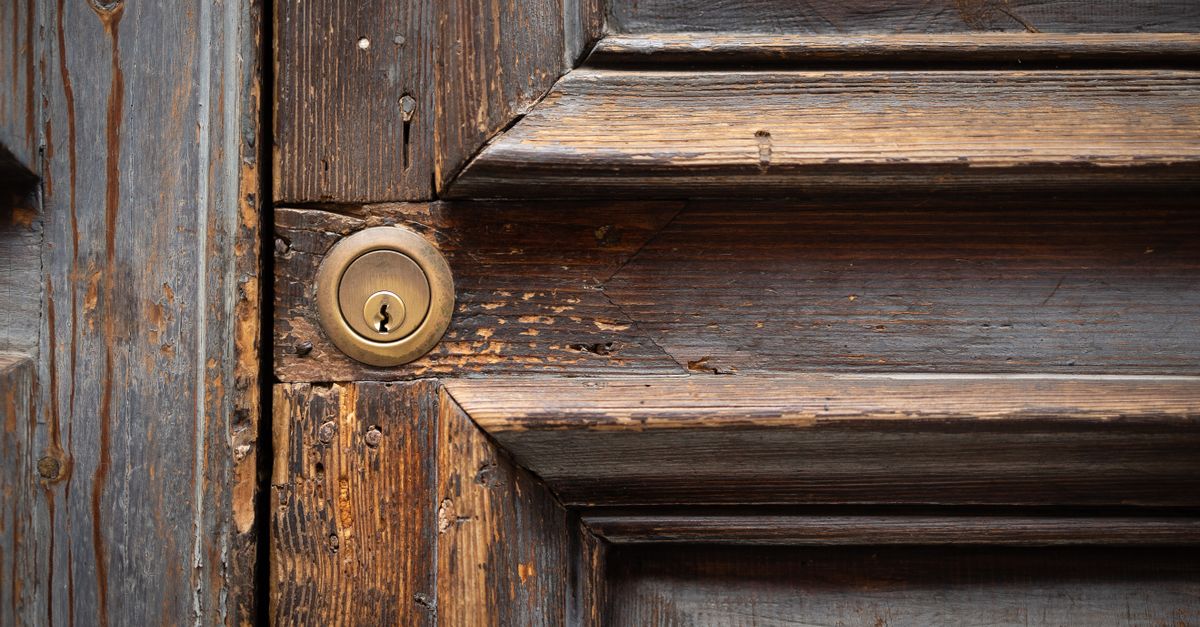
The mortise lock deserves a longer mention here because it's a service we're frequently asked about by buyers of older Charleston homes. Many of the city's historic properties — particularly those built before the 1970s — were originally fitted with mortise locks, and those locks are often still in place. A trained locksmith with experience in mortise lock work can rekey, repair, or replace these units while preserving the original hardware, which matters both for aesthetics and for historic preservation guidelines in certain Charleston neighborhoods. If you've purchased a home in the French Quarter or near the Battery and you have antique mortise lock hardware, don't assume it needs to be replaced — call us first and let us assess it on-site.
## Getting to Know Your New Charleston Neighborhood — and Its Security Profile
One of the most common questions new residents ask is about safety by area. The Charleston metro is diverse — neighborhoods like Daniel Island and Park West in Mount Pleasant tend to have newer construction with modern lock hardware already in place, while areas like North Charleston along Rivers Avenue or parts of West Ashley may have older rental stock where the lock history is genuinely unknown. That local knowledge matters when you're deciding how urgently to prioritize a rekey. Being close to a busy corridor like Dorchester Road or Ashley Phosphate Road, where foot traffic and transient populations are higher, is a different security context than a quiet cul-de-sac in Hanahan. Our technicians are mobile across the full Charleston area — from downtown to Goose Creek, from Johns Island to North Charleston — so we have a working familiarity with the lock types and security challenges common to each area.
New residents often ask us what the safest places to live in Charleston, SC are — and while crime statistics shift and every street has its own character, the answer from a locksmith's perspective is consistent: the safest home is the one where you've verified control over who holds your keys, where your primary entry points have solid hardware, and where your door frames and strike plates are reinforced to resist kick-in attempts. Those factors matter more than the zip code. Our team can assess any home in the Charleston area and give you honest, specific recommendations — not a sales pitch.
Frequently asked questions
Can a locksmith make a key without the original?+
Yes — this is a routine service for trained locksmiths. Using a process called impressioning or by decoding the lock cylinder directly, an experienced locksmith can cut a working key to your lock without any original key present. For car keys, the process involves reading the lock or ignition cylinder and, for transponder keys, programming the new key's chip to match your vehicle's immobilizer. If you've moved into a home and were only given one key — or none at all — we can cut and code keys to your existing locks on-site, or rekey and provide fresh keys at the same visit. Just call (704) 850-6756 and describe what you have, and we'll tell you exactly what the process looks like for your specific locks or vehicle.
What should I do if I'm locked out and can't immediately reach a locksmith?+
The first safe steps are always the low-tech ones: check whether any other door or window is unlocked, contact a trusted person who may hold a spare key, or reach your building manager if you're in an apartment or condo. Do not attempt to force or bypass the lock yourself — it's easy to damage the hardware, the door frame, or injure yourself, and you may create a more expensive repair situation. Once you've confirmed no safe alternative exists, call a professional. As an emergency locksmith serving the Charleston area 24 hours a day, seven days a week, we respond to lockouts at all hours — including overnight and on holidays. We verify ownership or occupancy before beginning any work, which is both our standard practice and your protection.
How is the cost of a locksmith service determined, and how do I know what I'll pay?+
Several specific factors go into your final quote: the type of service needed (rekeying, lock replacement, mortise lock installation, car lockout, key programming, etc.), the number of locks involved, the brand and grade of any hardware required, whether the call is during standard hours or an after-hours emergency locksmith situation, and the travel distance to your location within the Charleston area. What we don't do is give you a vague estimate and then adjust it after the work is done. Before any technician begins, we confirm an exact price with you. If the scope changes — say, you add a door knob lock rekeying to what started as a single deadbolt job — we discuss that and confirm the updated total before proceeding. Call (704) 850-6756 to describe your situation and get a clear quote before committing.
What tools do locksmiths use, and does the equipment affect the quality of work?+
Professional locksmiths use a range of specialized tools that are quite different from what a hardware store DIY kit contains. For rekeying, the core tools are a plug follower, a key decoder, a pinning mat, and a set of replacement driver and key pins in various sizes. For cutting new keys, we use precision key-cutting machines — some mechanical, some electronic — that produce a key to exact manufacturer tolerances. For mortise lock work, fitting and alignment tools ensure the lock body seats correctly in the door mortise so it operates smoothly under load. For automotive work, transponder programmers interface with the vehicle's immobilizer system. The quality of the outcome depends on both the tools and the experience of the technician using them — our team is trained on the specific hardware profiles common in the Charleston area, from historic mortise lock systems in older homes to modern smart lock platforms in new construction.