
Why Vehicle Ignitions Fail — And What a Skilled Technician Looks For
Vehicle ignitions are mechanical and electrical systems working in tandem, and Charleston's environment is particularly hard on both. The salt air that rolls in off the Cooper and Ashley rivers accelerates corrosion inside ignition cylinders, causing the spring-loaded wafers that read your key to stiffen or seize entirely. Combine that with the heat and humidity of a South Carolina summer, and you have ideal conditions for ignition failure even on relatively newer vehicles. Beyond corrosion, the most common causes our technicians see are worn or damaged wafers inside the cylinder, a bent or heavily worn ignition key that has gradually damaged the internal tumblers over thousands of uses, a broken key shank lodged in the barrel, steering column lock engagement trapping the cylinder, and ignition switch failure behind the cylinder itself — an electrical component failure that can mimic a mechanical problem and requires proper diagnostic skill to identify correctly.
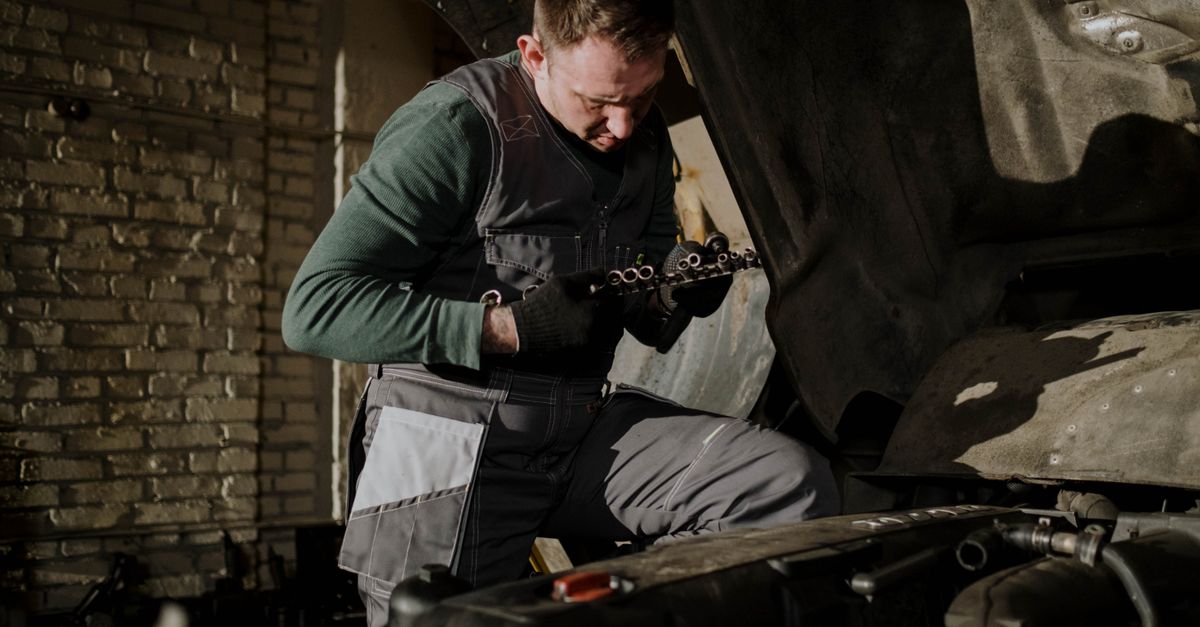
Our experienced technicians are trained to separate these failure modes quickly. A seized cylinder is a different repair from a failed ignition switch, and misdiagnosing one as the other leads to unnecessary parts costs and repeat visits. When we arrive at your location — whether you are on I-26, in the Neck Area, or parked near the College of Charleston campus — we perform a hands-on assessment before recommending any service path. This matters because the correct diagnosis protects your vehicle from unnecessary disassembly and keeps the job damage-free wherever the vehicle's condition allows.